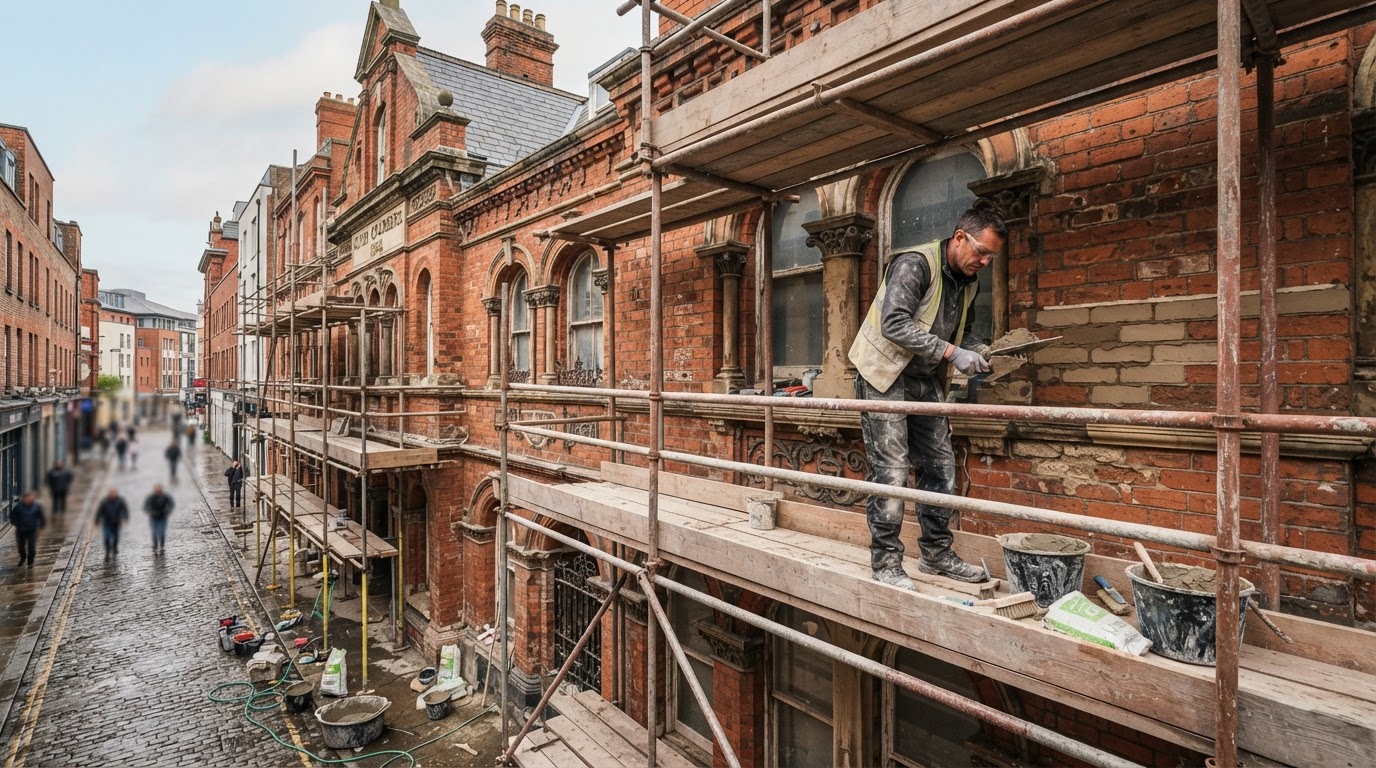
How We Saved a Crumbling Historic Brick Facade in Bel Air
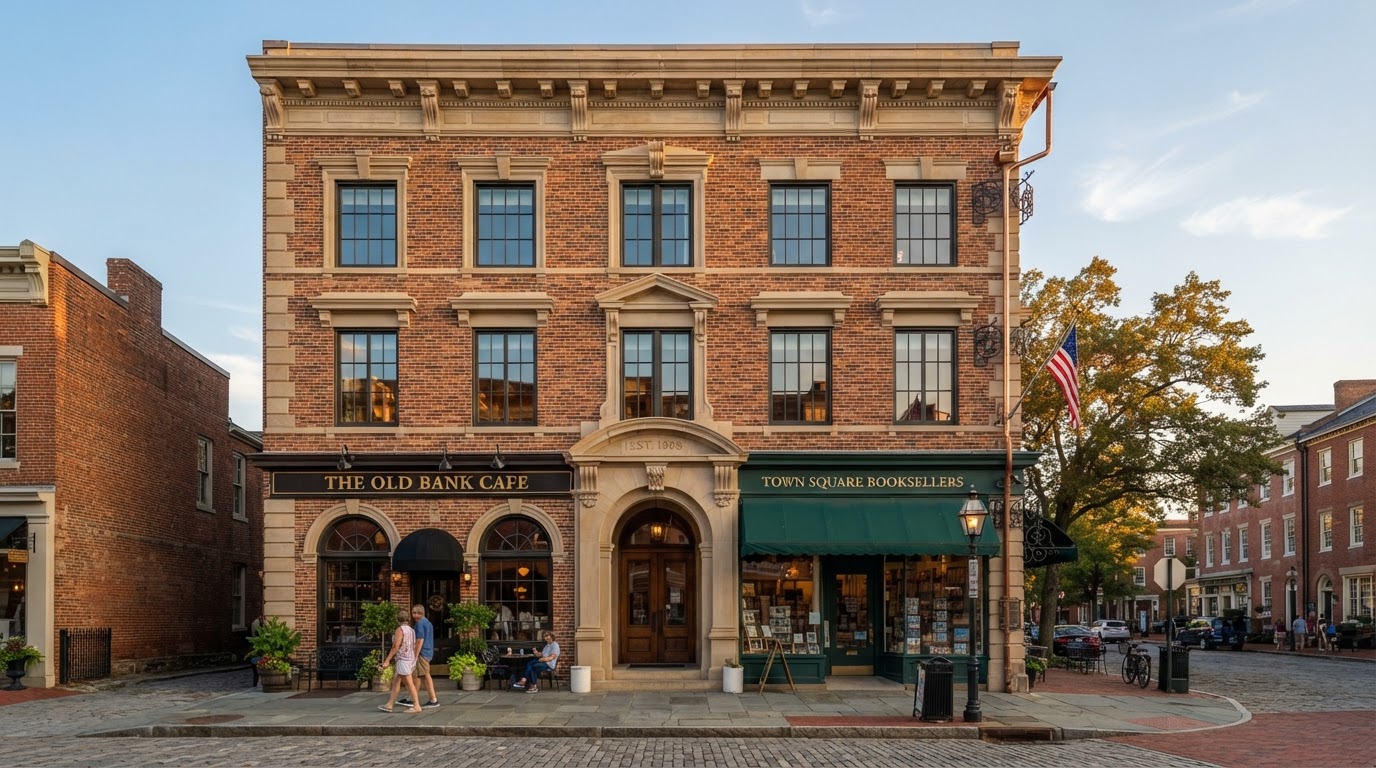
A 19th-century commercial building was shedding brick and leaking. Here is how a careful repointing plan brought it back from the brink.

Real restoration challenges from across Harford County — how we diagnosed them, what we found, and the fixes that held. Lessons from three decades in the field.

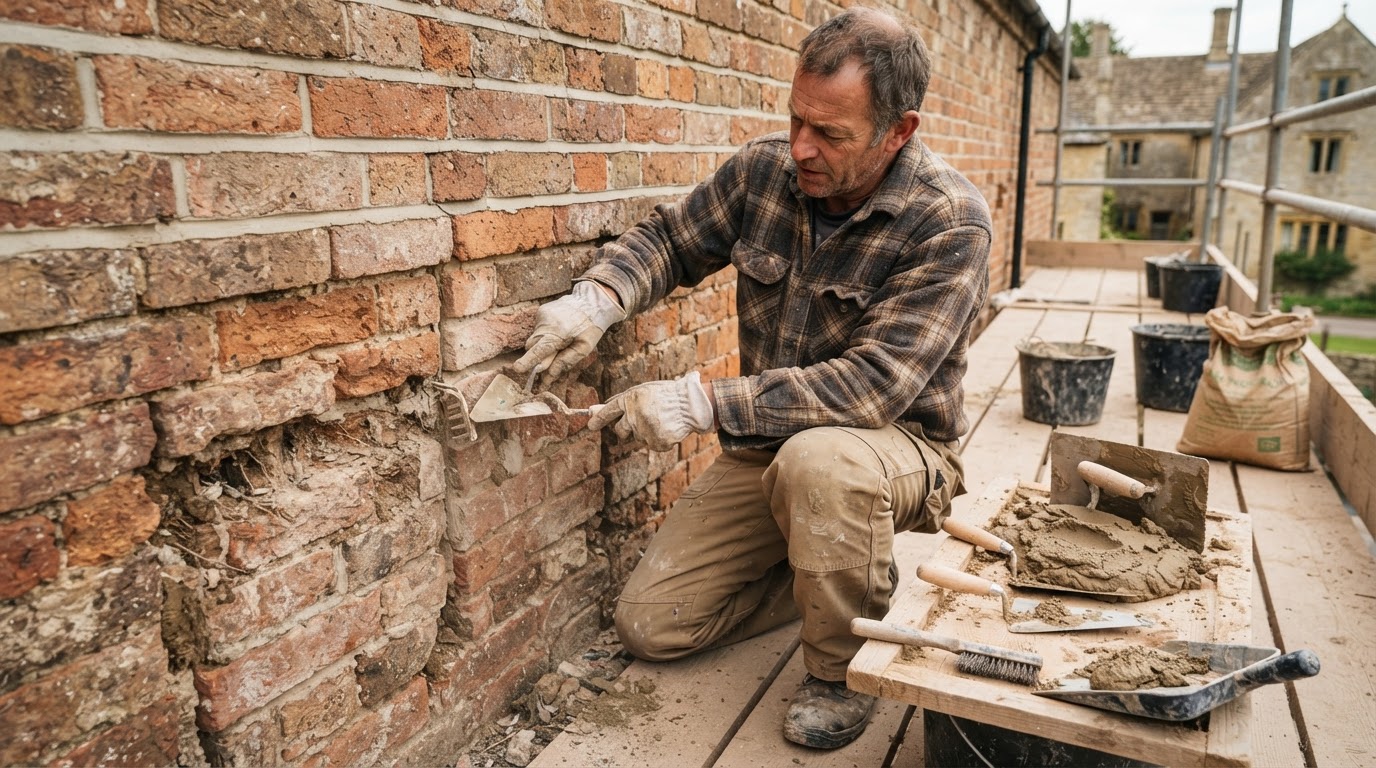
A 19th-century commercial building was shedding brick and leaking. Here is how a careful repointing plan brought it back from the brink.

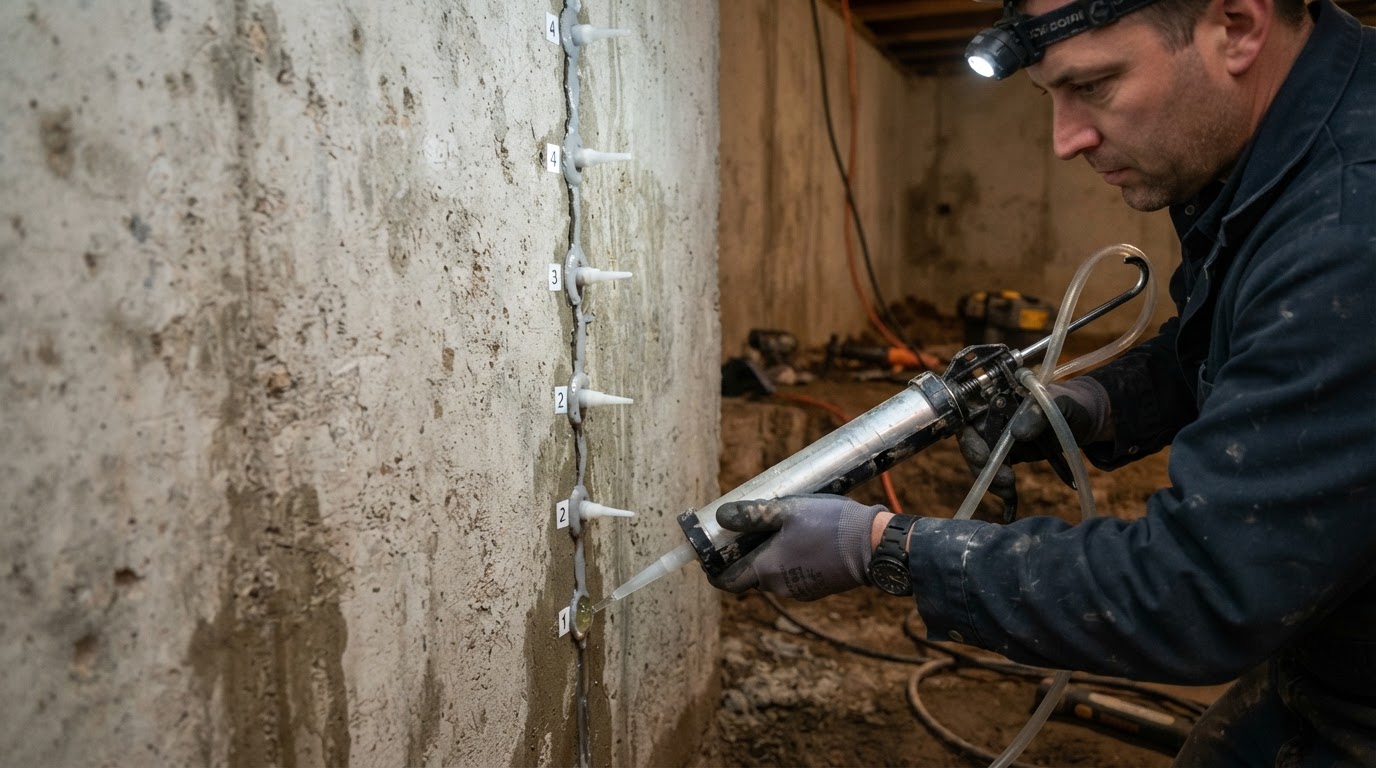
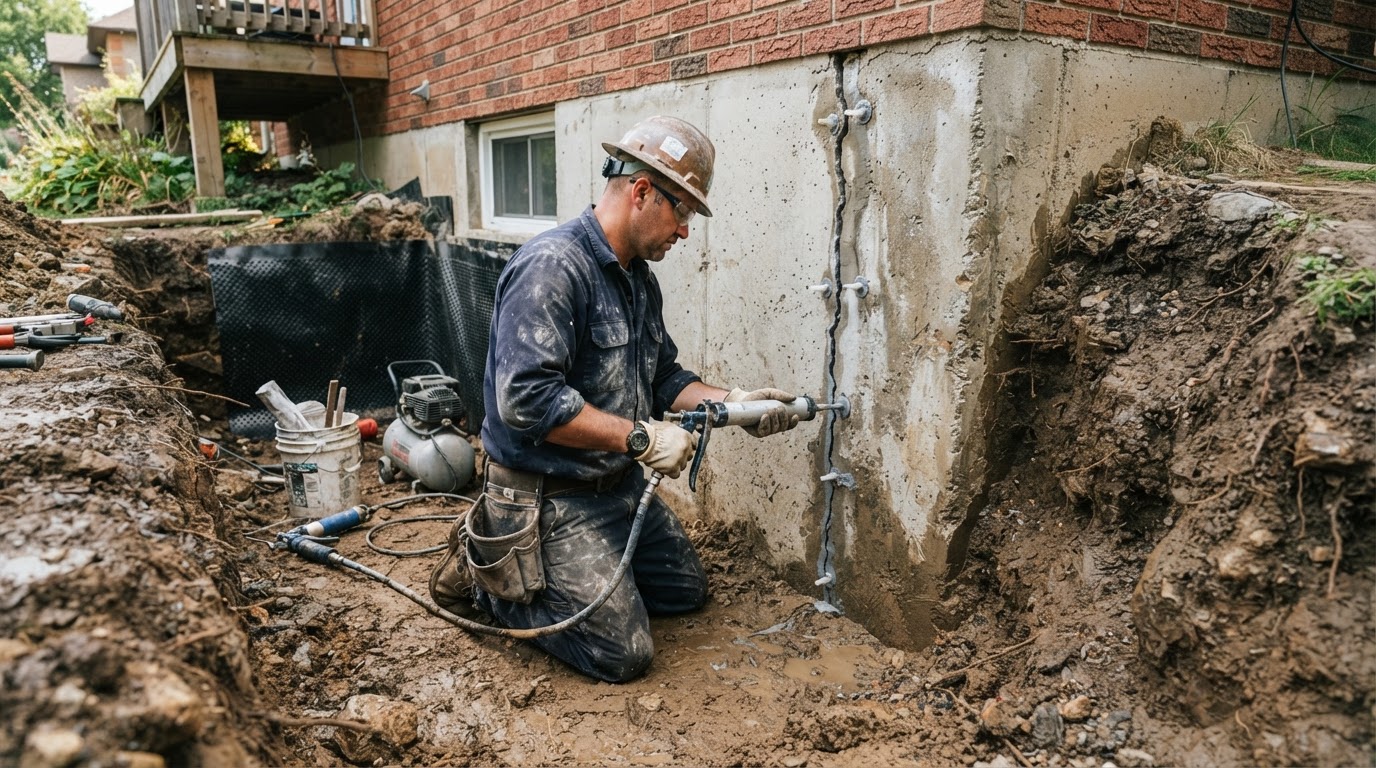
A homeowner noticed a widening basement wall crack. Diagnosis and epoxy injection turned a worry into a permanent fix.

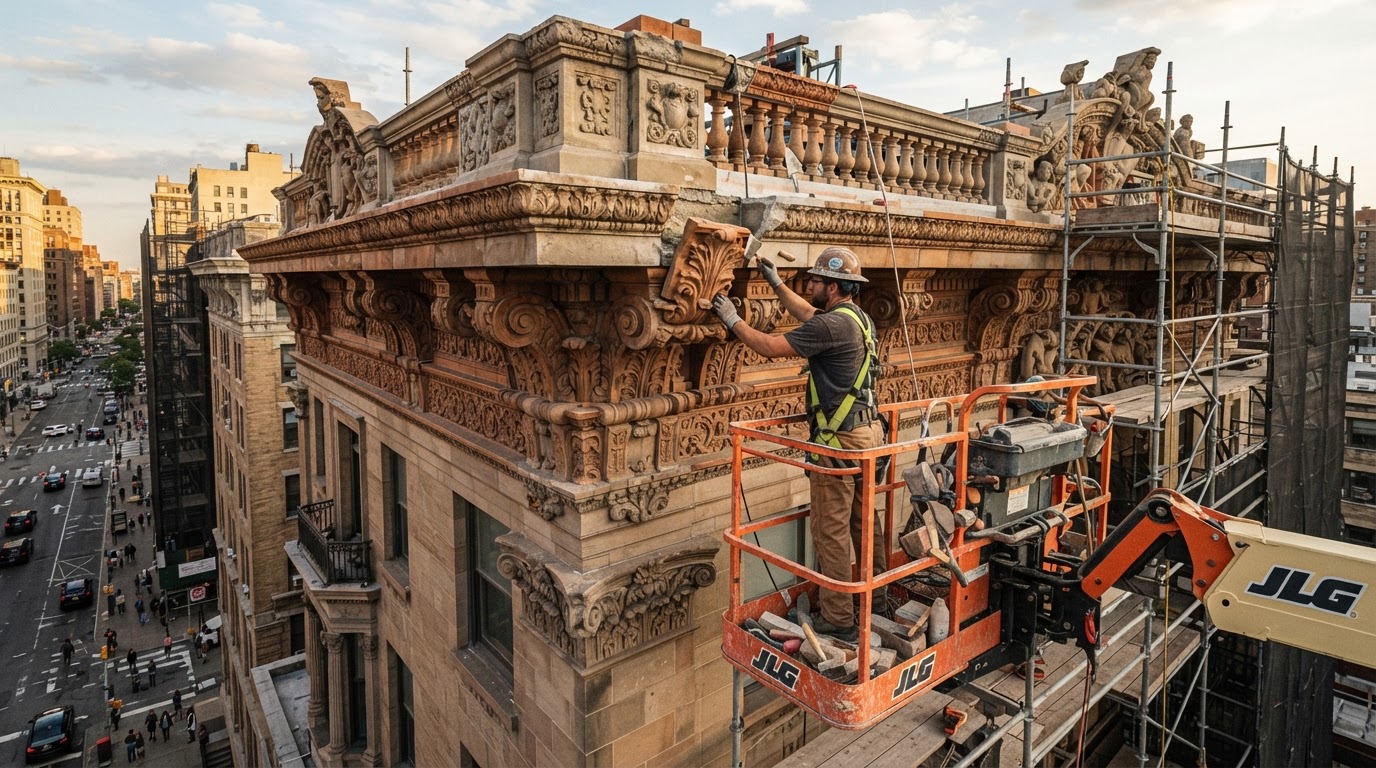
Loose terra cotta units posed a falling hazard. Sympathetic restoration preserved the landmark's character and protected the public below.

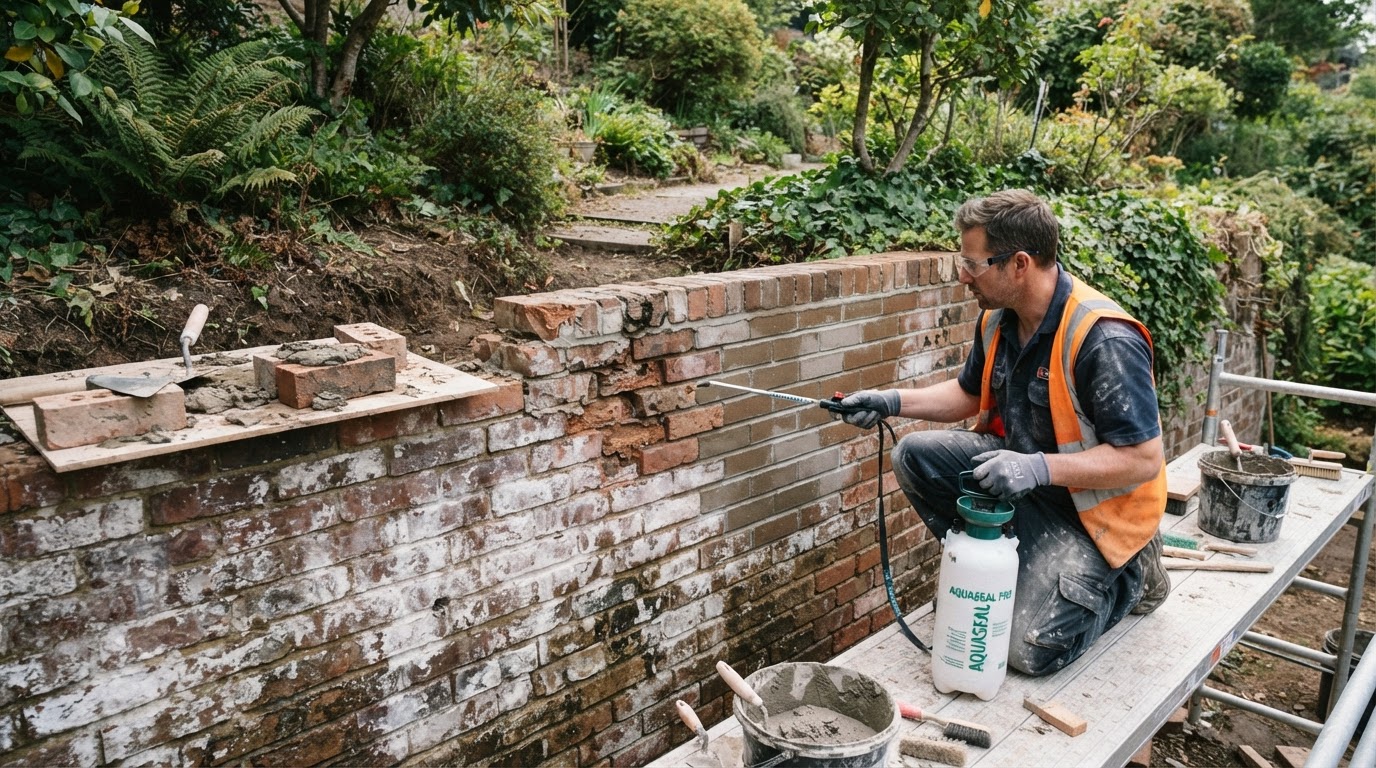
The wrong mortar destroys historic brick. Here is how we analyze and match mortar to protect buildings for decades.

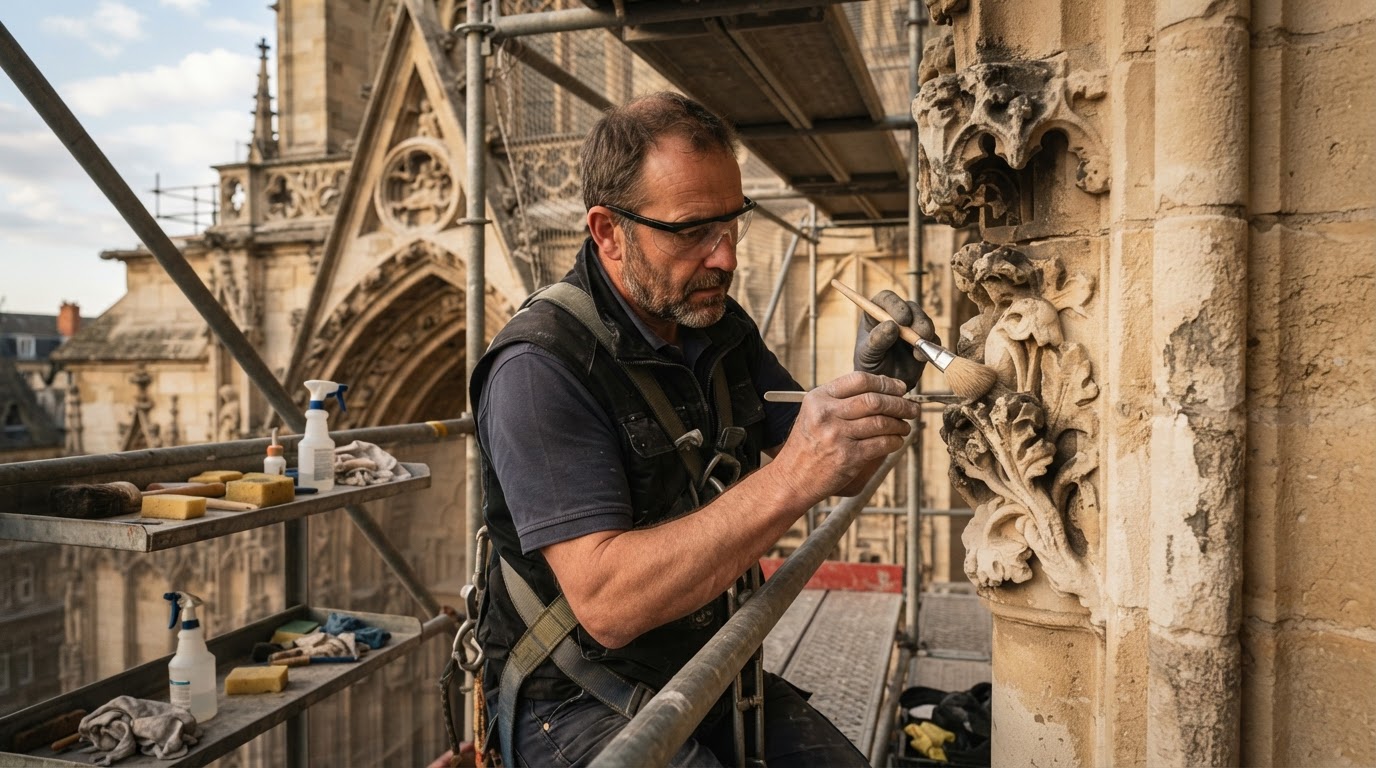
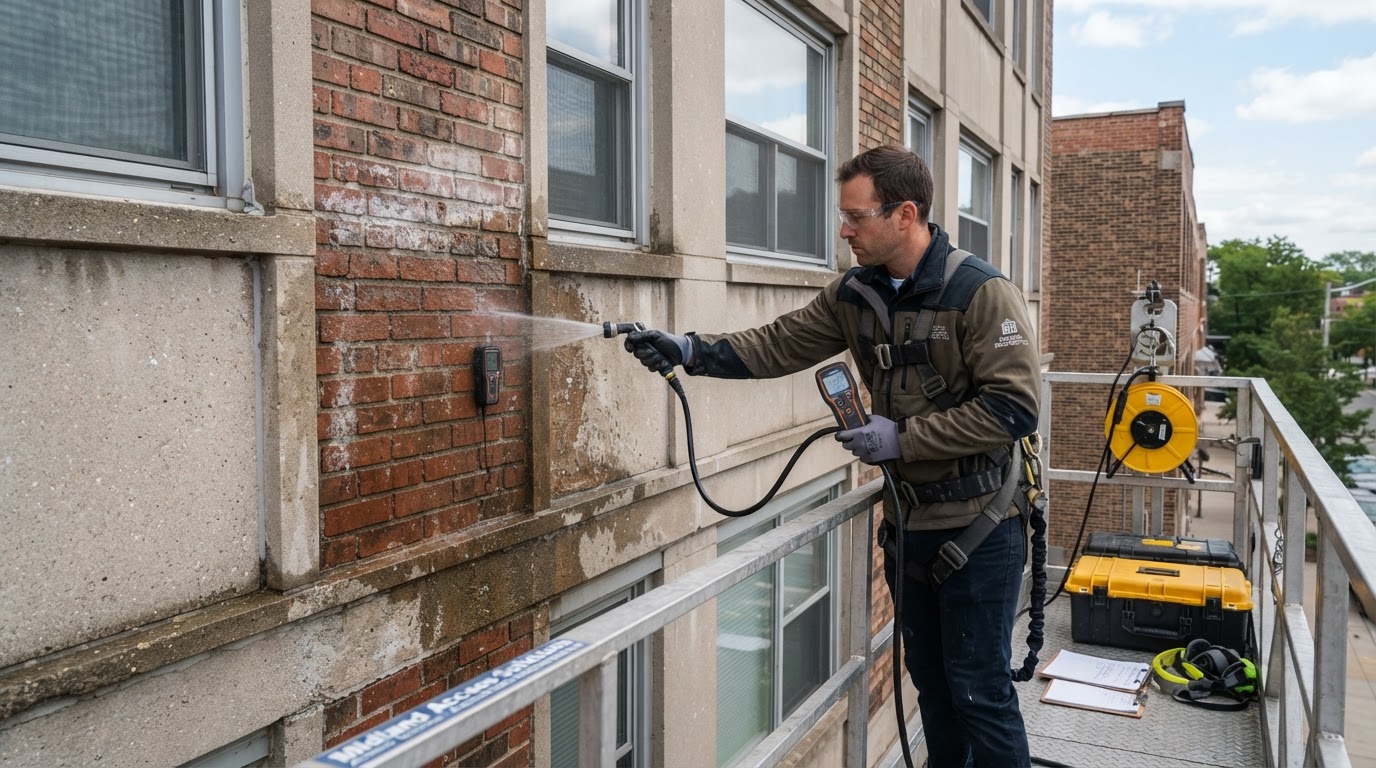
Pressure washing can ruin historic stone in minutes. Here is the sympathetic approach we use to clean heritage masonry safely.

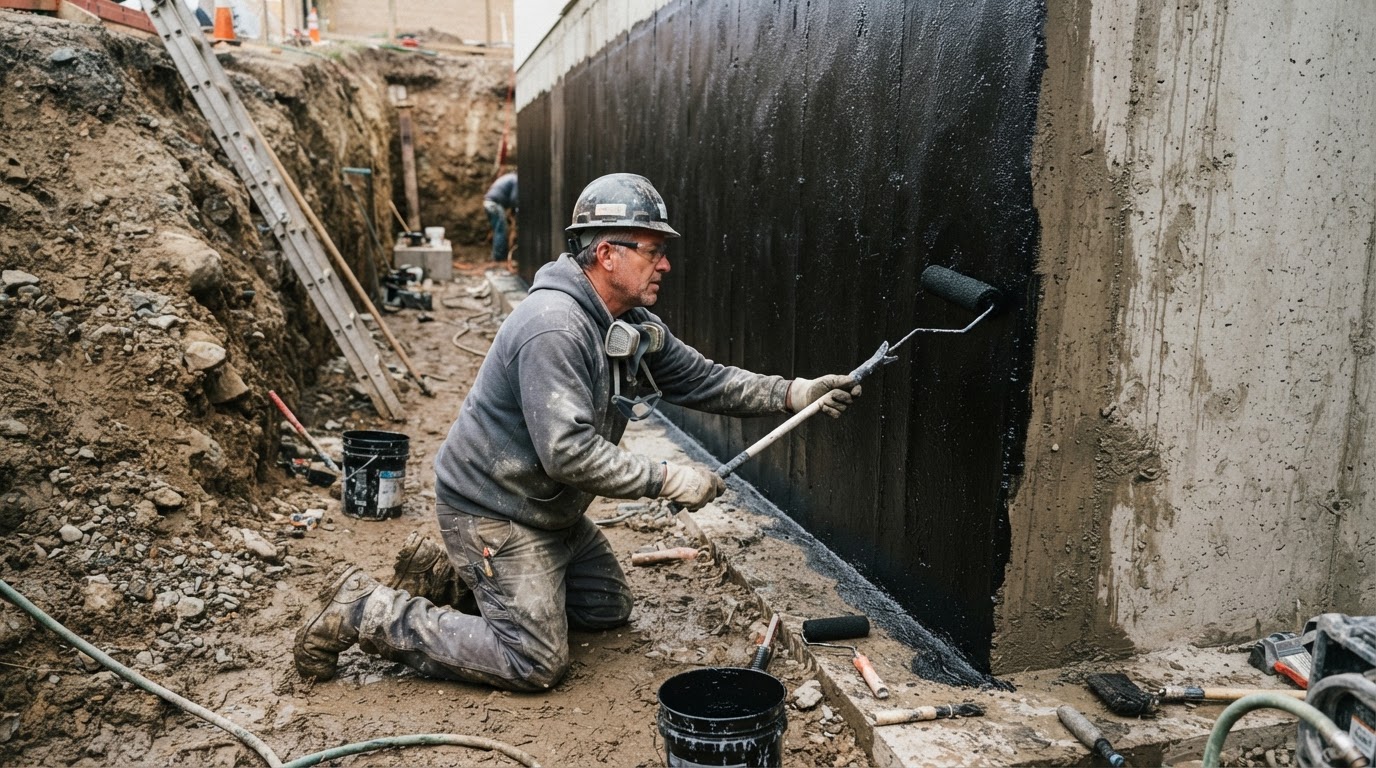
A homeowner had lived with a damp basement for ten years. A proper below-grade membrane finally dried it out for good.

A recurring ceiling stain had been patched three times. Leak investigation found the real entry point twenty feet away.

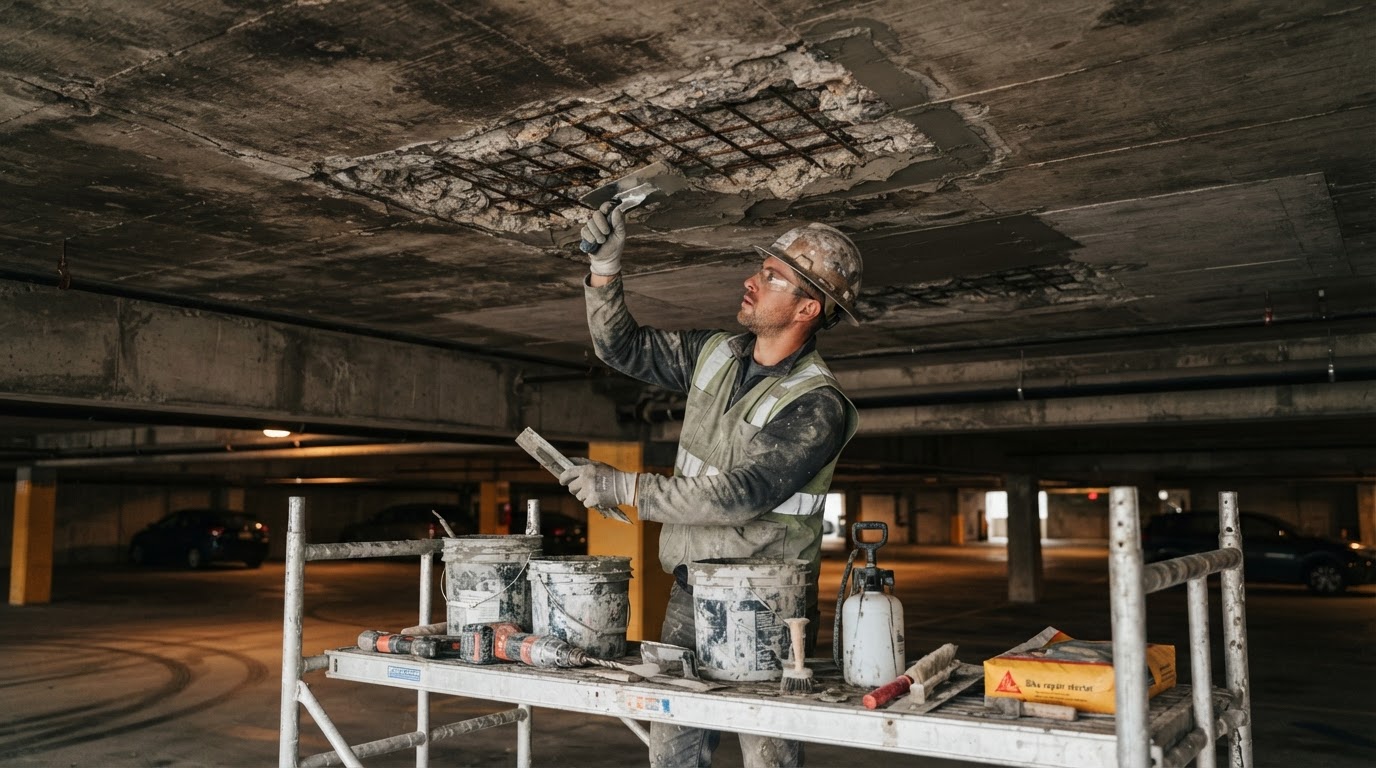
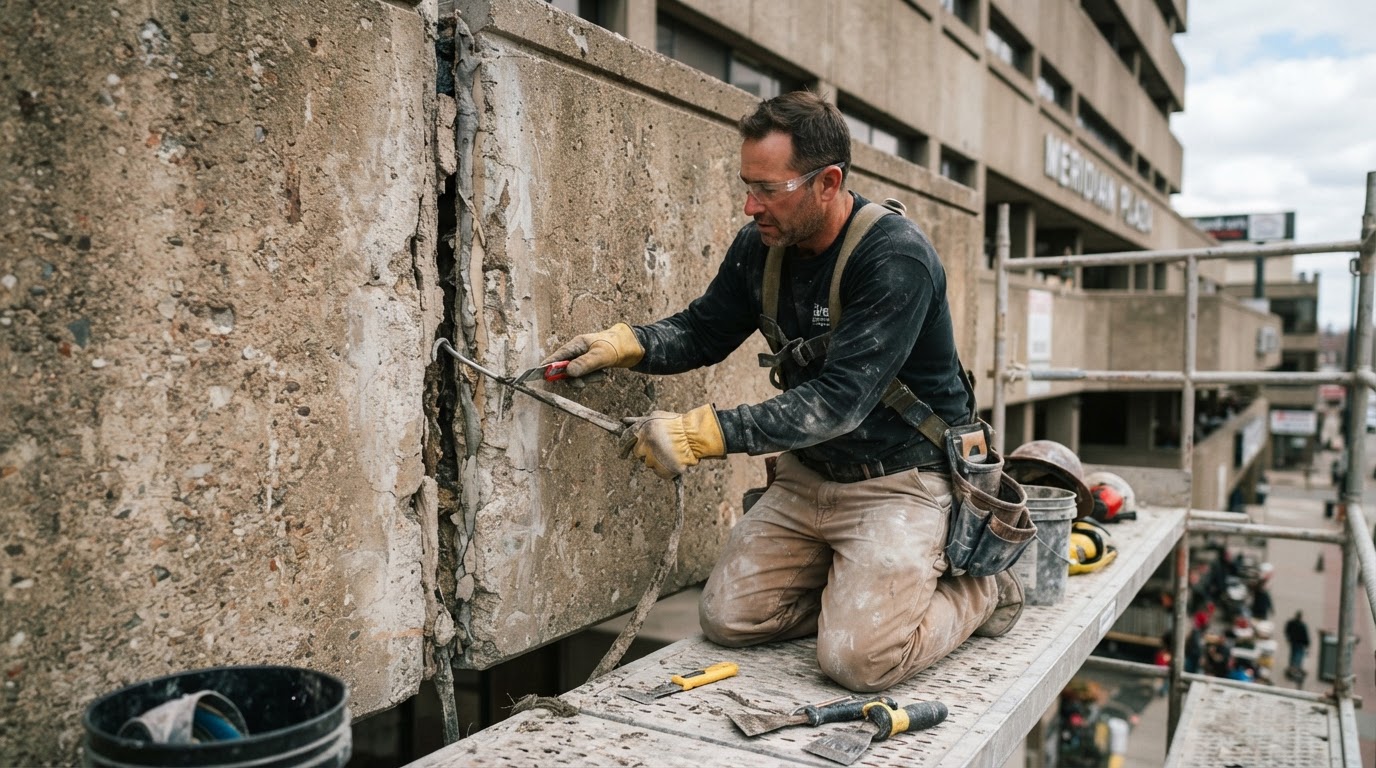
Delaminating concrete overhead posed a danger to vehicles and people. Sounding, repair, and corrosion treatment restored the slab.

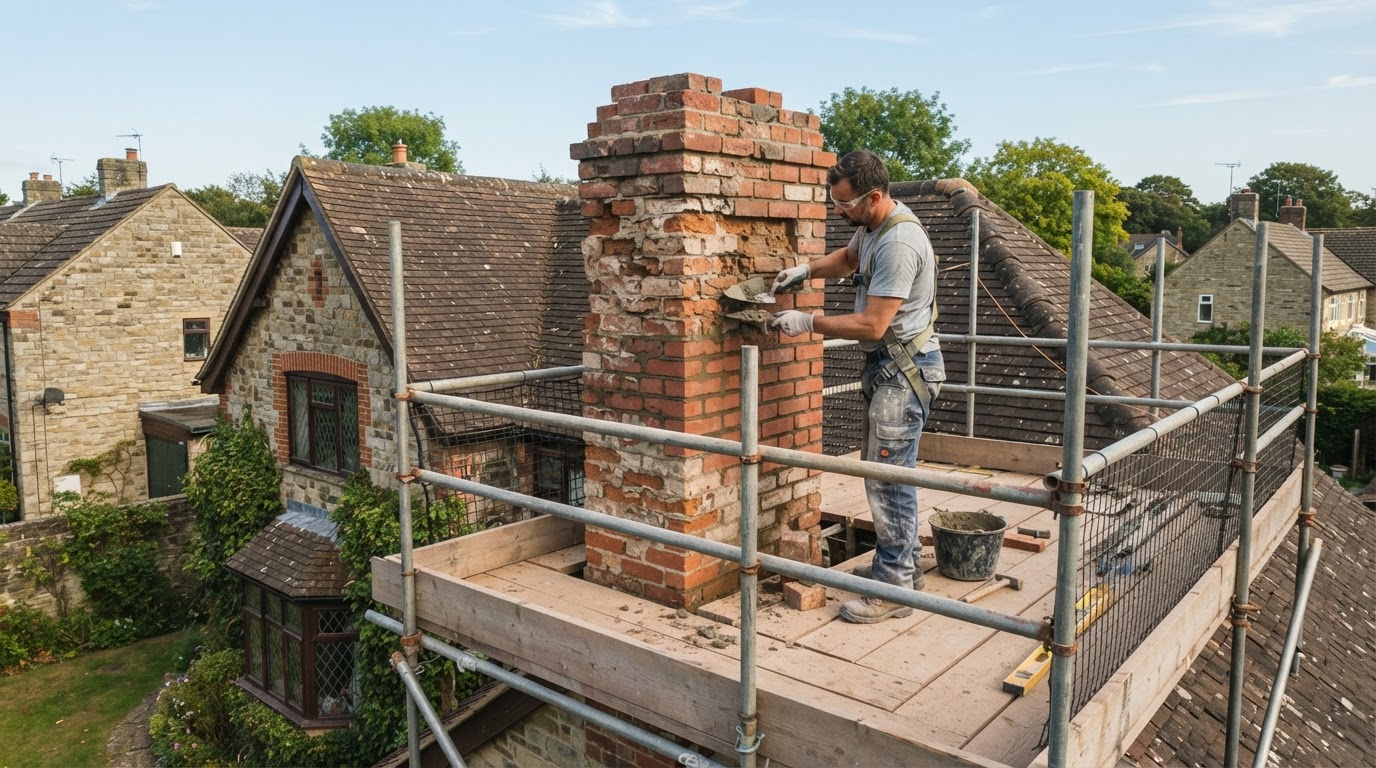
A chimney above the roofline was losing bricks to freeze-thaw. A targeted rebuild saved it without touching the rest of the house.

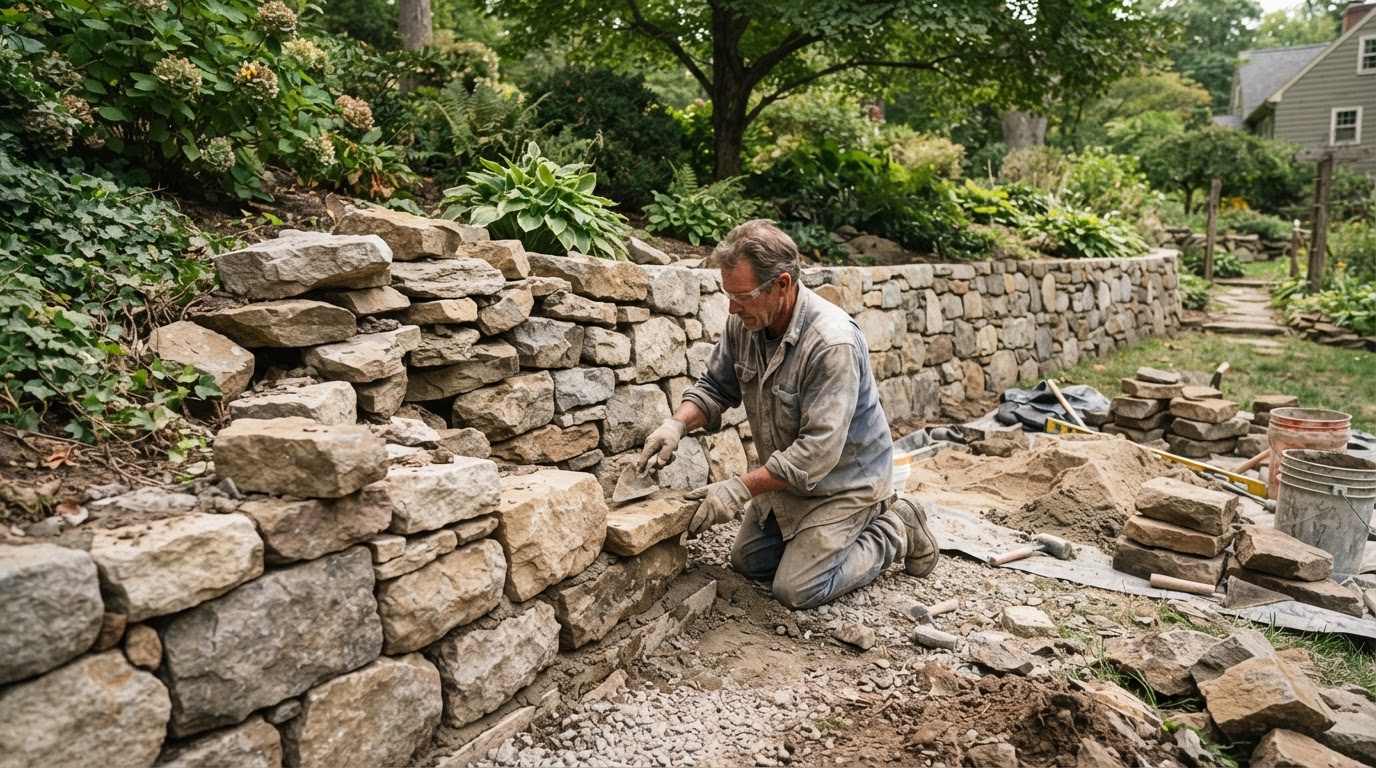
A landscape stone wall was bowing toward the driveway. Drainage and a careful rebuild stopped the movement for good.

A commercial building leaked at every joint. Replacing aged sealant and backer rod solved a problem that had plagued it for years.

An interior patch kept failing. Excavating to the exterior let us seal the crack at its source and stop the seepage permanently.

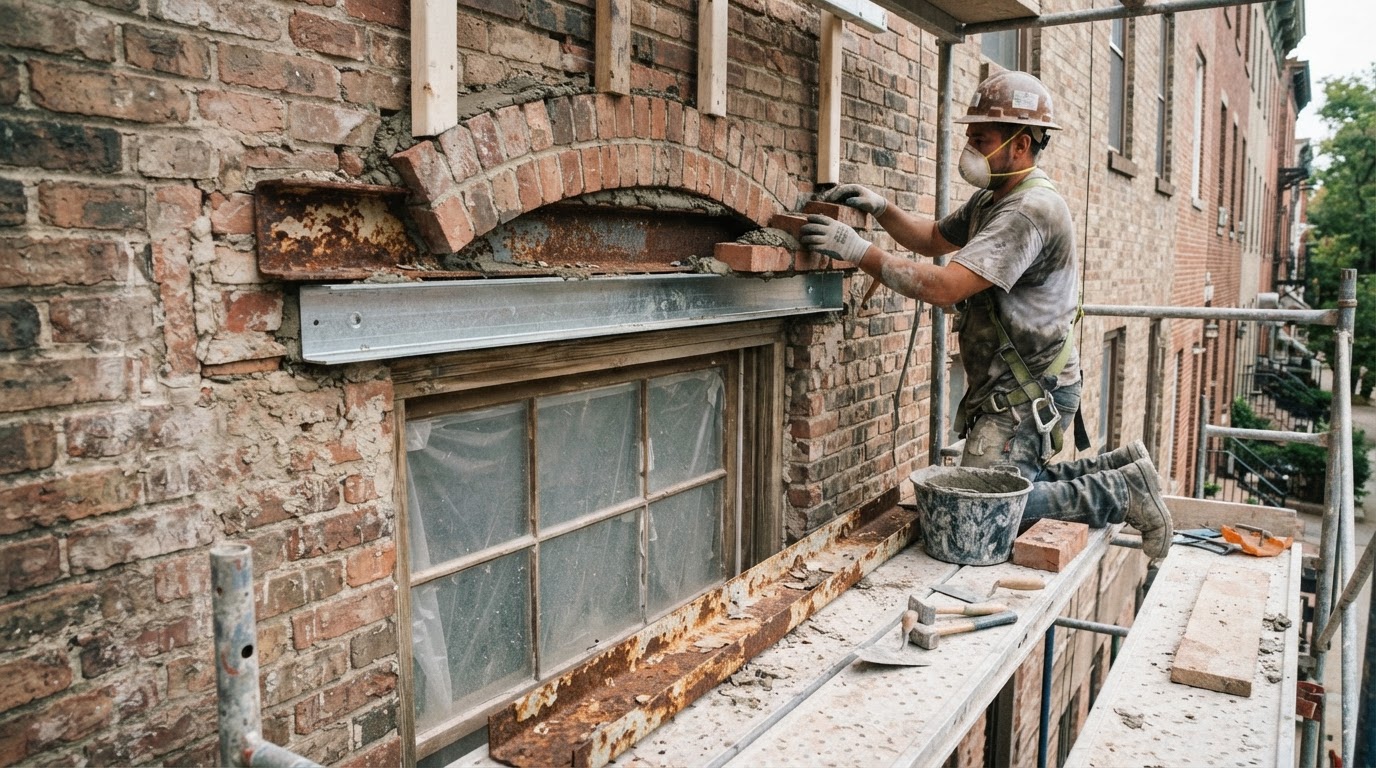
A stair-step crack above a window pointed to a rusted steel lintel. Replacement and brick reset solved the pattern for good.

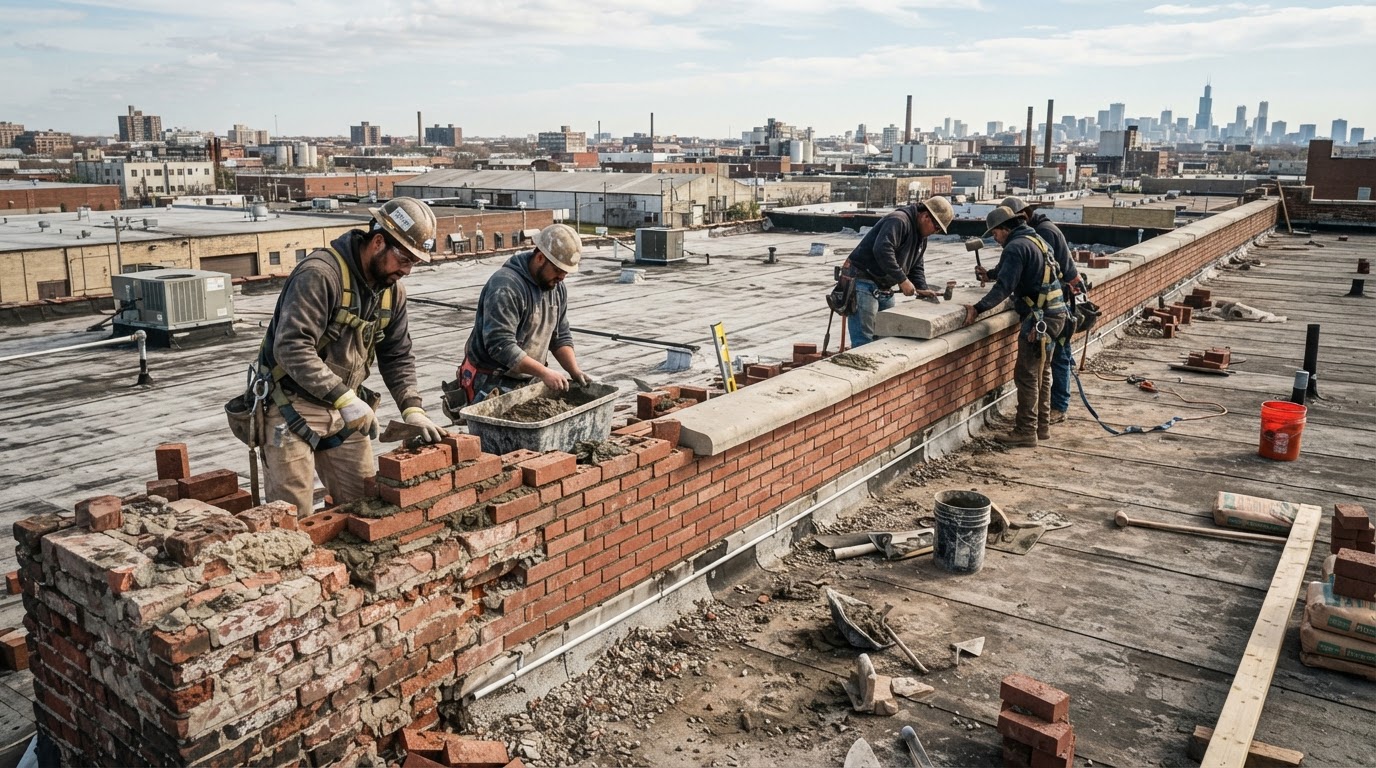
A flat-roof building had a parapet leaning inward. Rebuilding the wall and resetting the coping stopped leaks and a falling hazard.

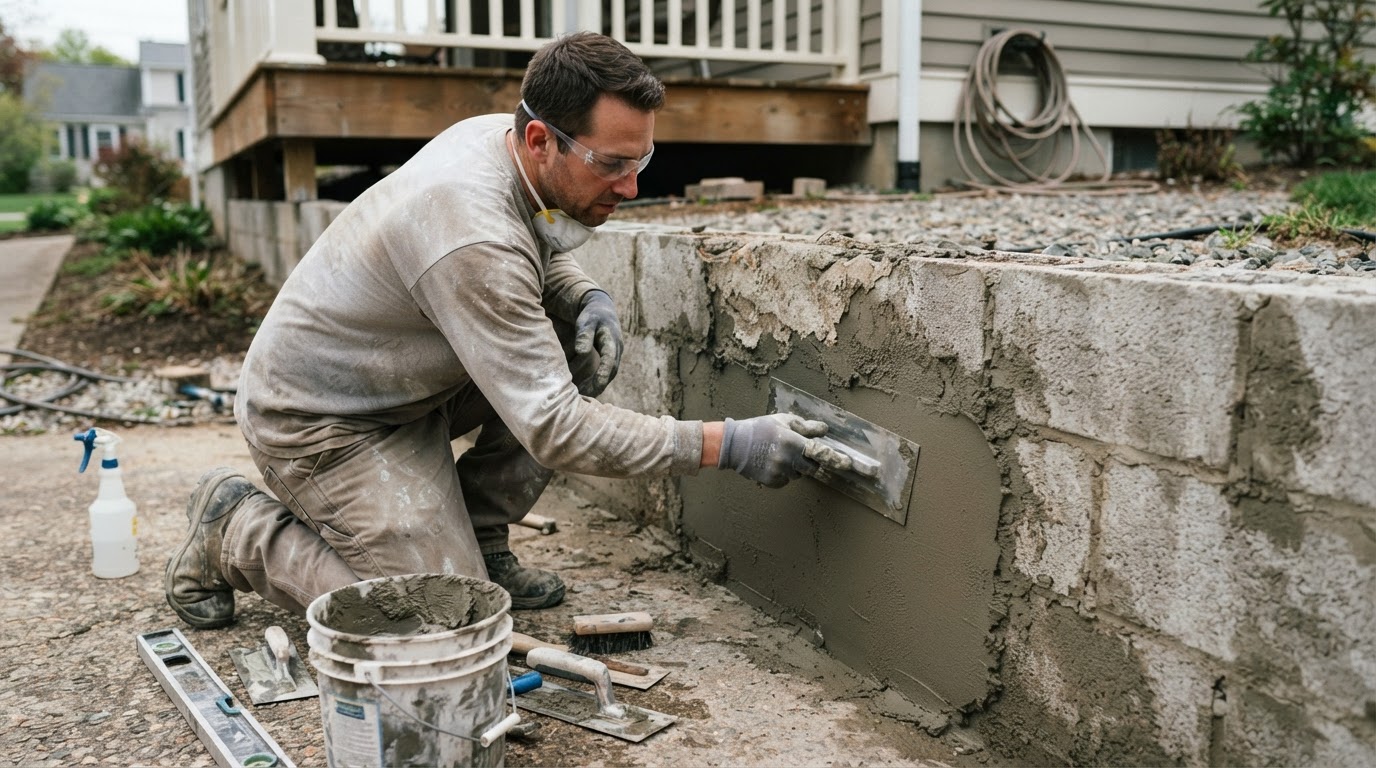
A parged foundation wall was flaking and exposing the block beneath. Removing the loose material and re-parging restored protection.

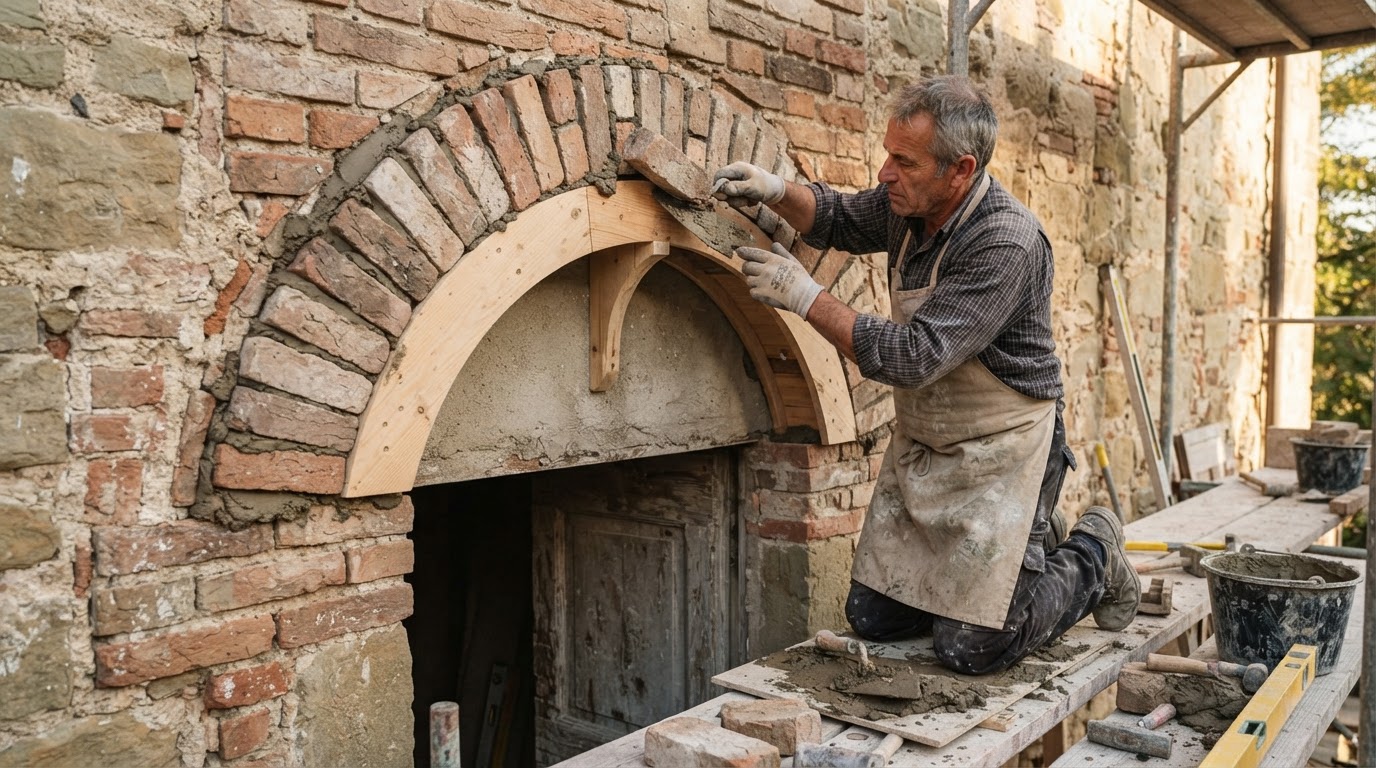
A brick arch over an entry had dropped and cracked. A proper rebuild with a template restored both structure and character.

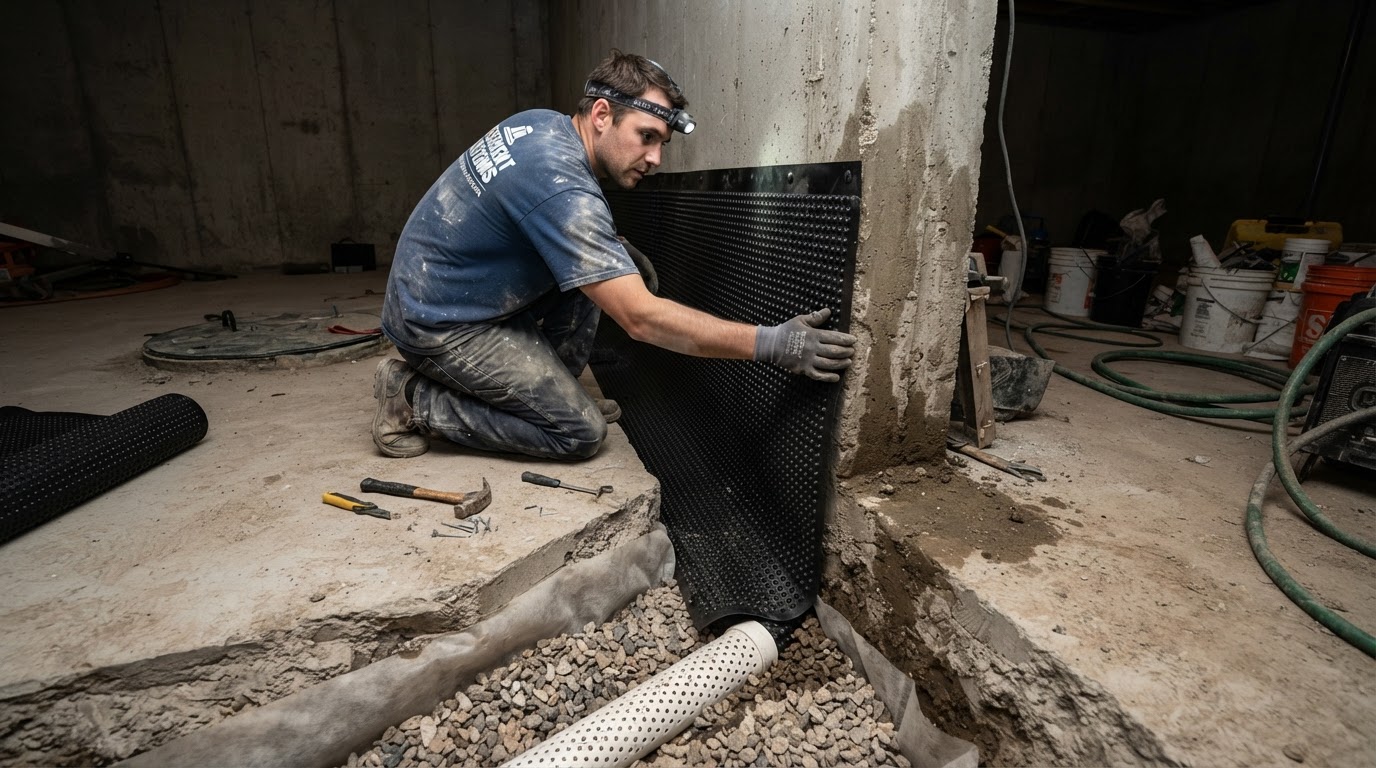
When exterior excavation was not an option, an interior drainage system gave a wet basement a dry future.

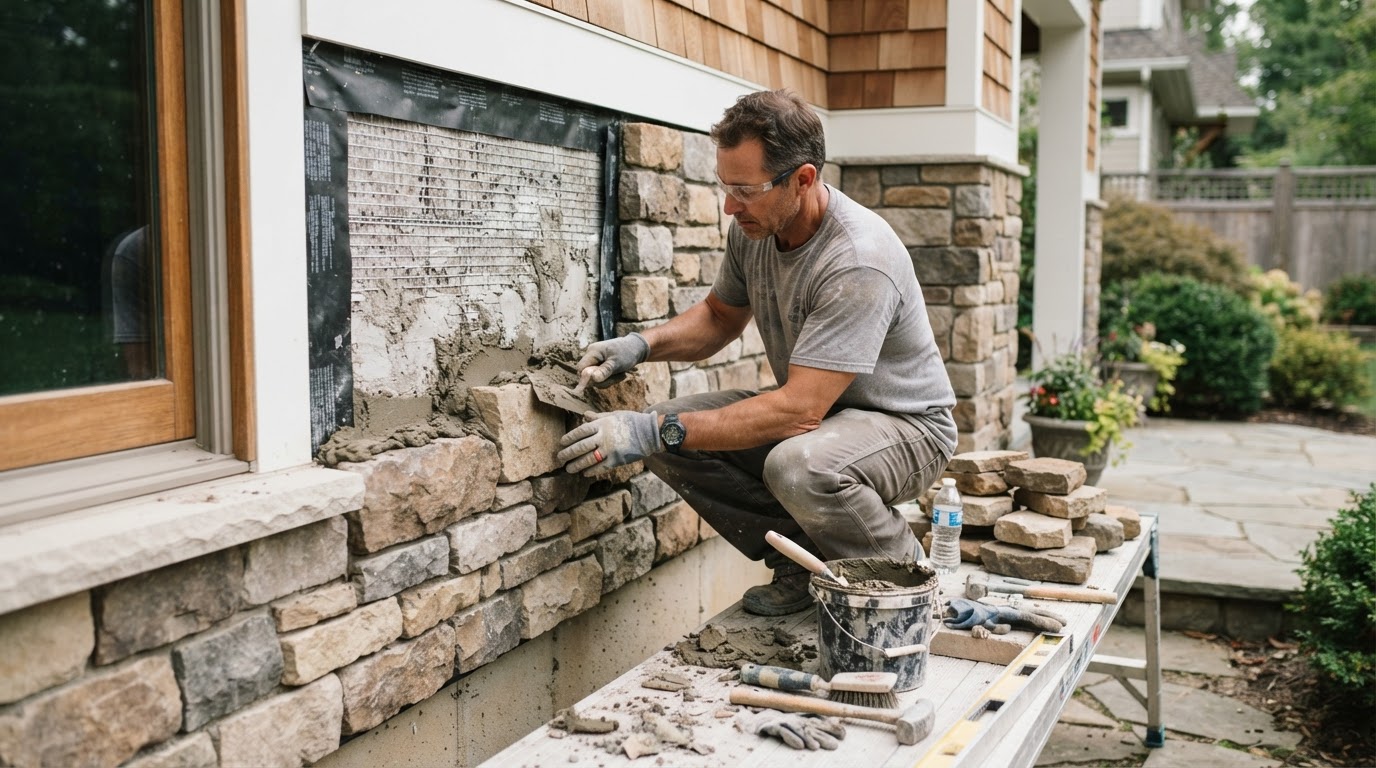
Manufactured stone veneer was pulling away from a wall. The cause was failed flashing, not bad stone, and the fix lasted.

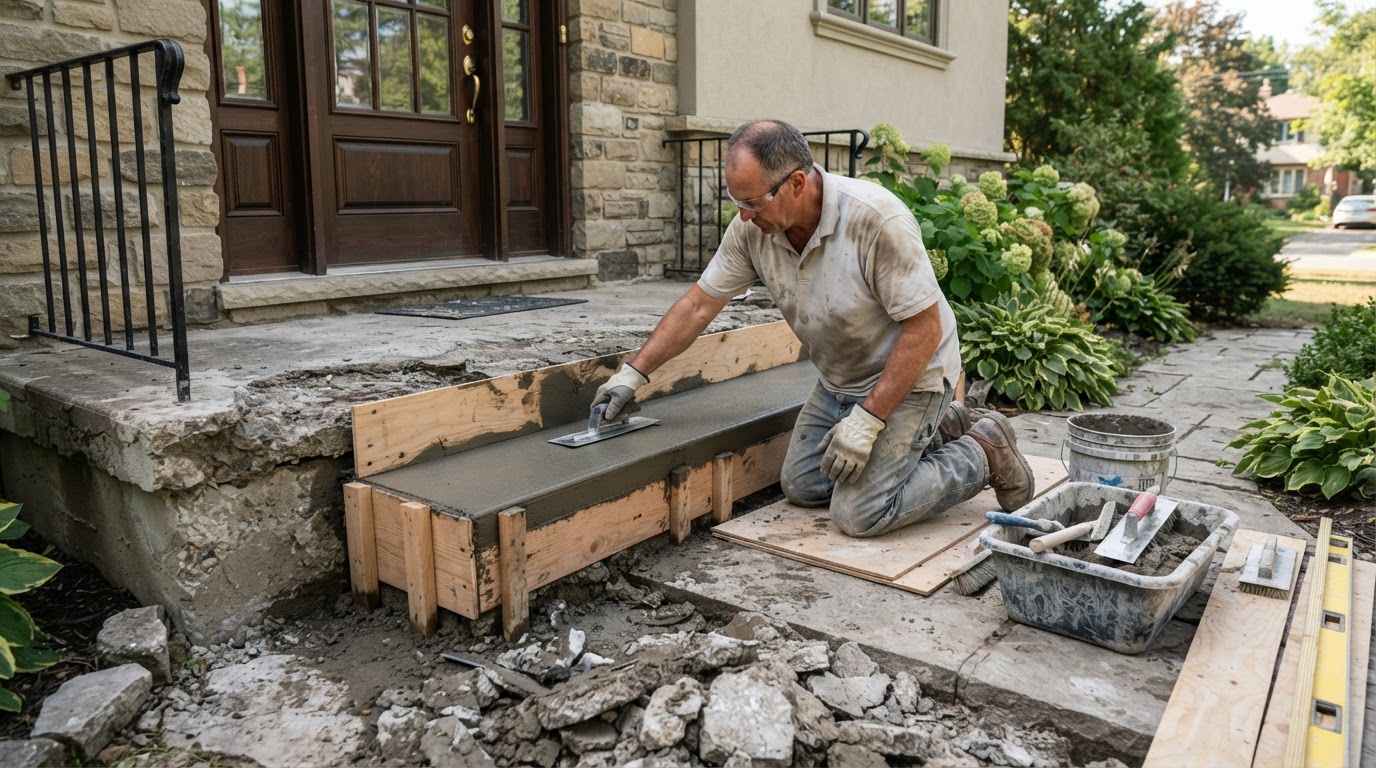
A front entry stoop had spalled and become a trip hazard. Formed rebuild and proper finishing restored safety and curb appeal.

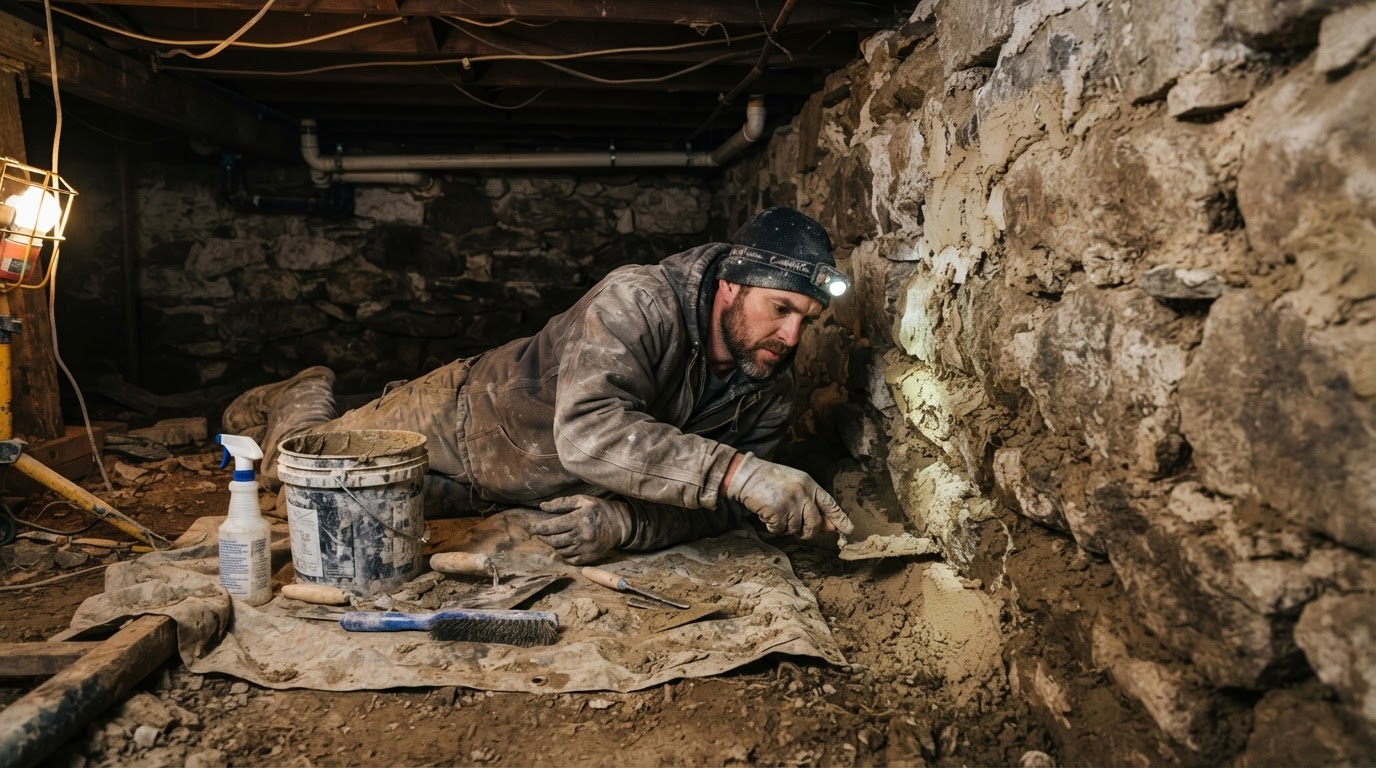
A fieldstone foundation was losing mortar and settling. Lime repointing in tight conditions restored stability and breathability.

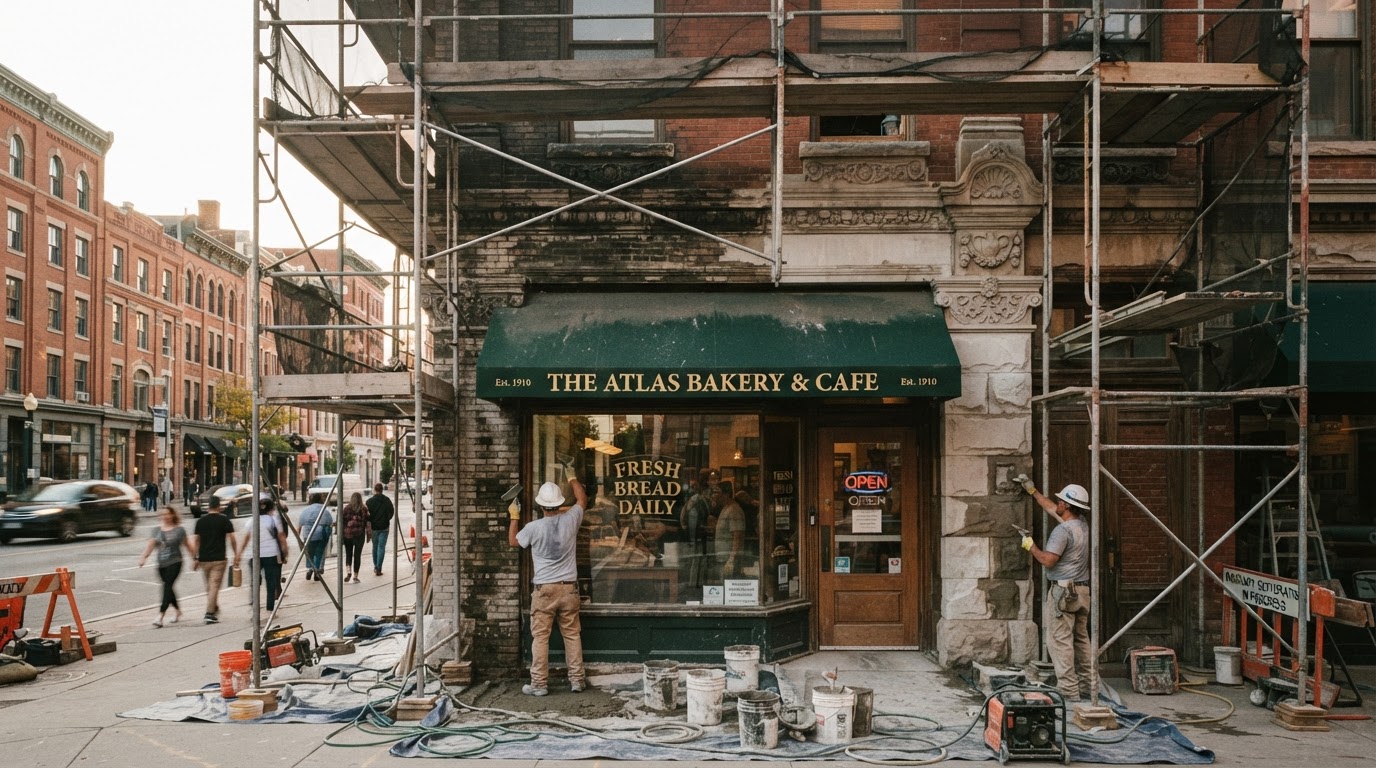
A tired downtown storefront got a full masonry restoration that lifted the whole block's appearance and the owner's foot traffic.

White powder on a brick wall is not just unsightly. It is a warning that water is moving through the wall. Here is how we read and treat it.

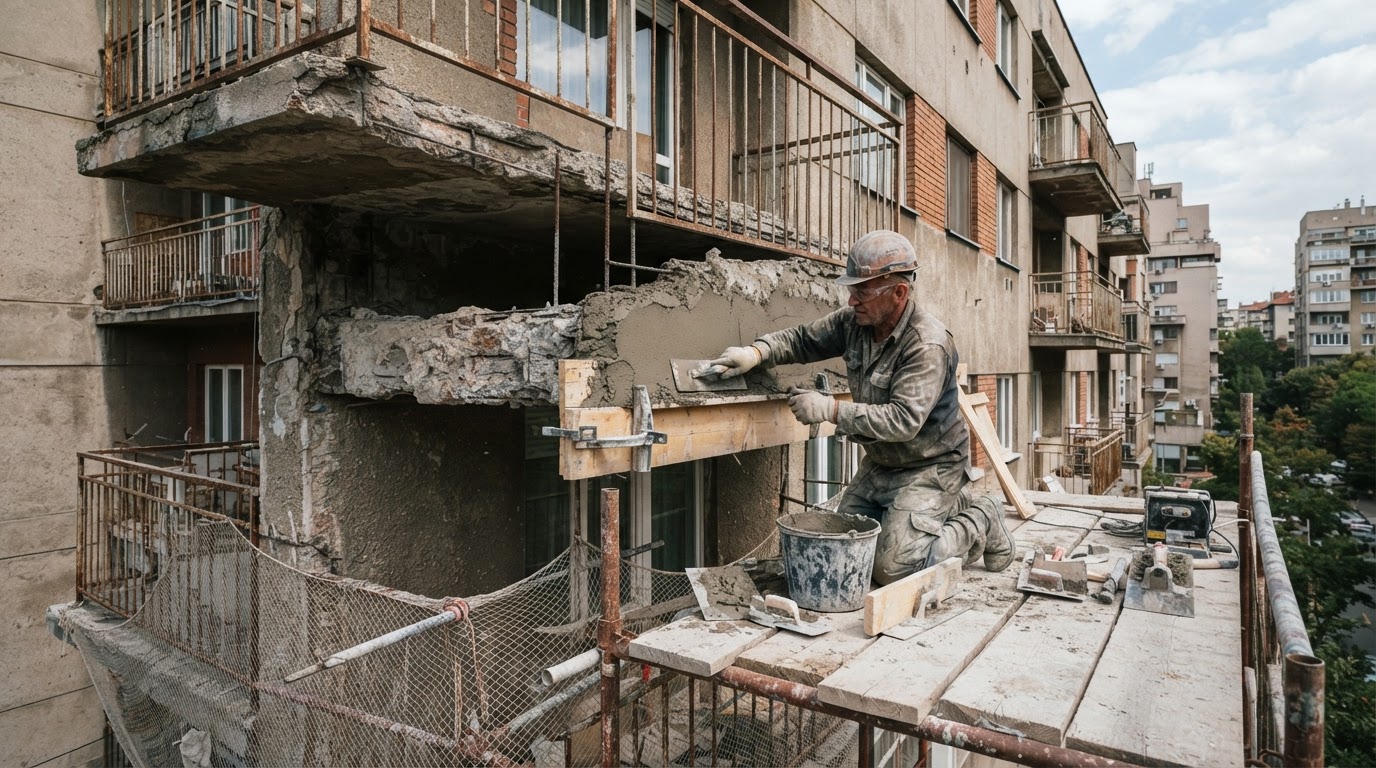
A mid-rise balcony had spalled edges exposing rebar. Corrosion treatment and rebuild restored safety for residents and passersby.

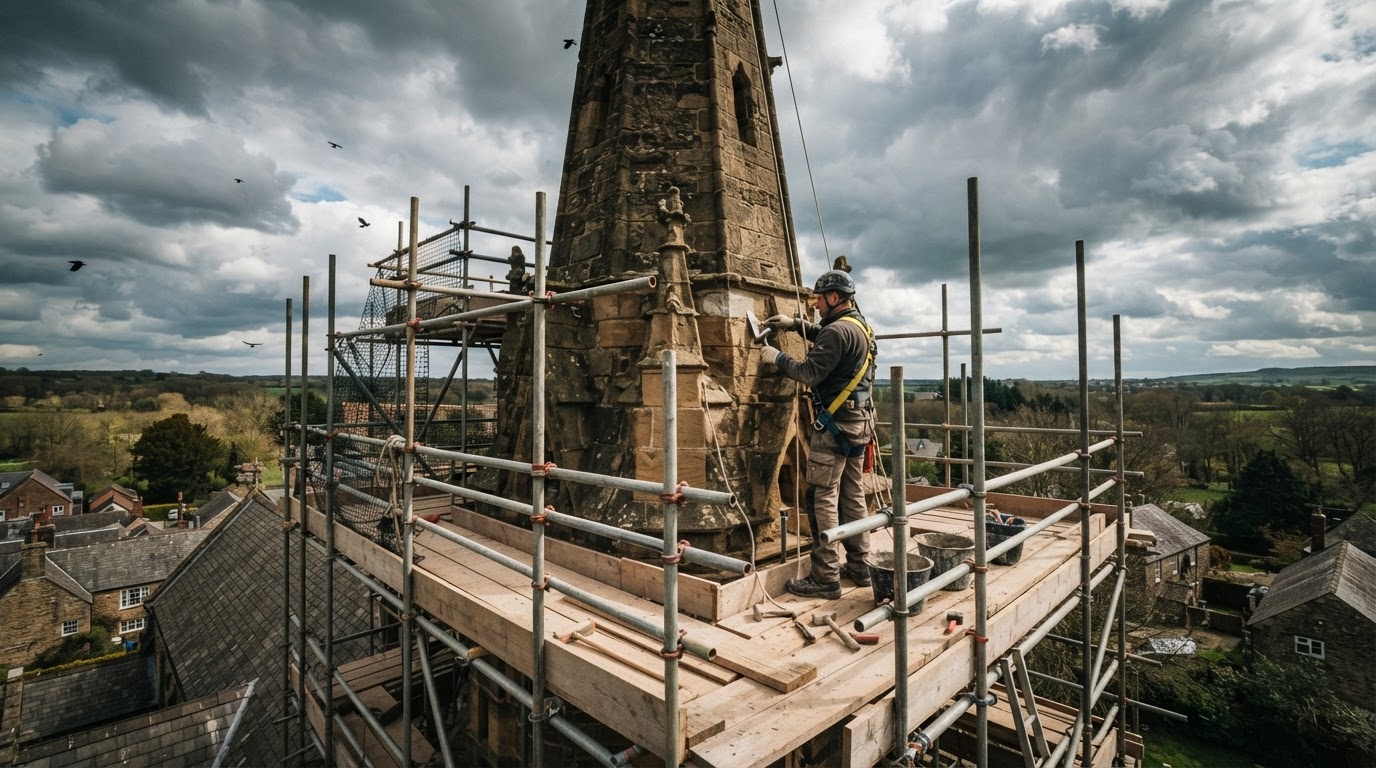
A church steeple was shedding stone from height. Scaffolding, sympathetic repair, and anchor replacement preserved the landmark safely.

A flagstone patio was heaving and loose. A proper base rebuild and reset turned a tripping hazard into a stable, beautiful surface.
Ready to revitalize your structure?